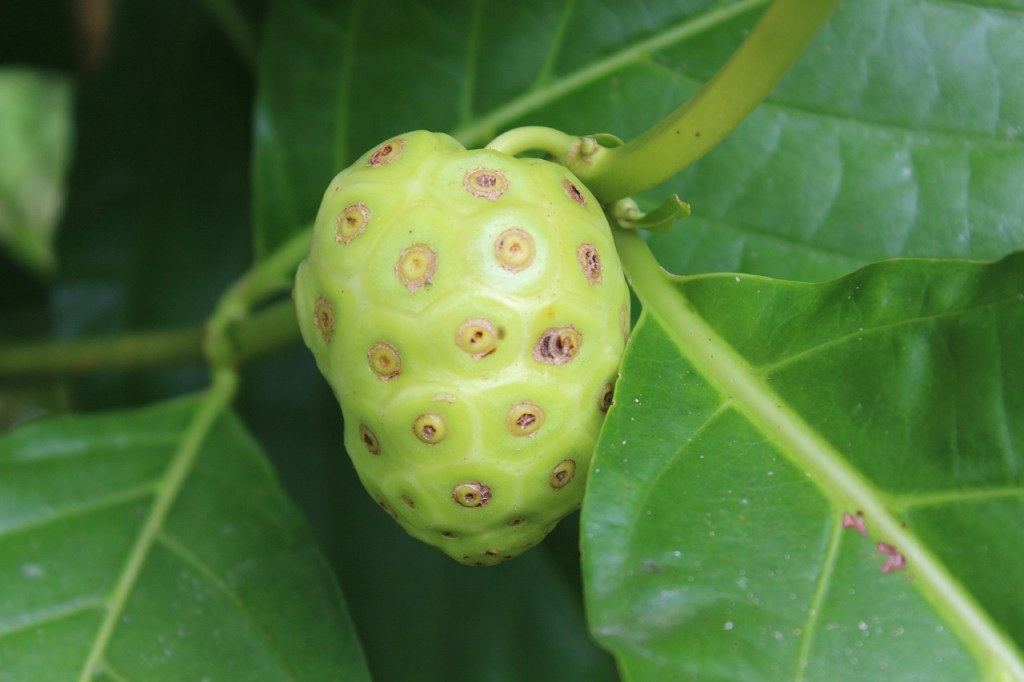
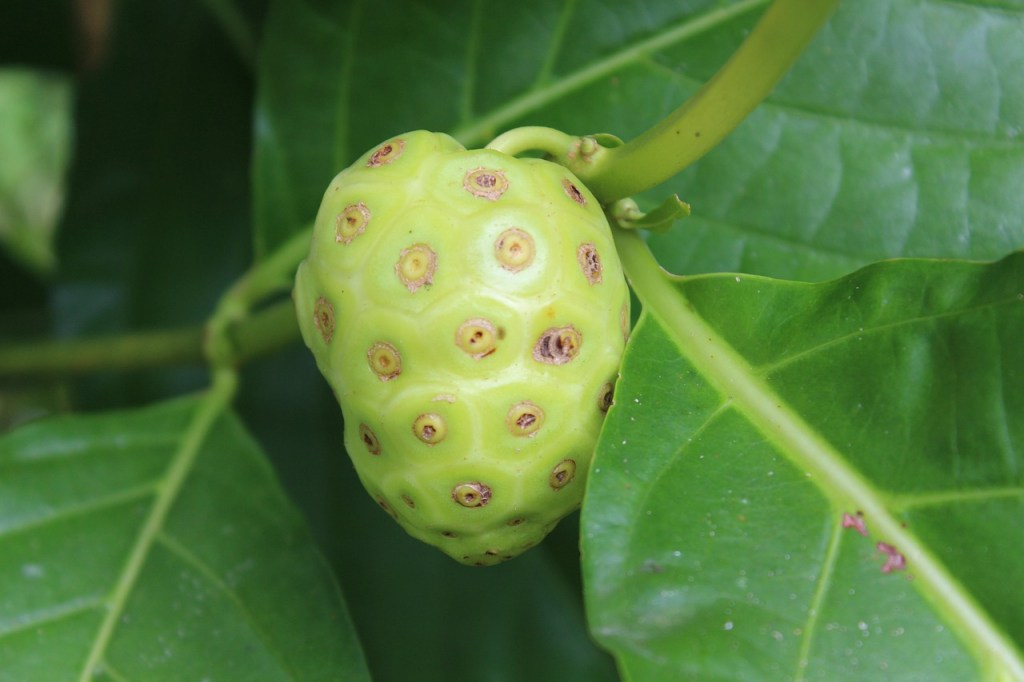
For centuries, cultures across Polynesia and Southeast Asia have relied on noni (Morinda citrifolia) as a natural remedy for countless ailments. Today, modern science is uncovering why this lumpy, bitter-tasting fruit has earned such a reputation. Rich in over 200 phytochemicals, essential vitamins, and unique compounds, noni is emerging as one of the most studied and celebrated medicinal plants worldwide.
🌿 The History of Noni
The earliest written record of noni dates back to 1769, when Captain James Cook explored Polynesia alongside naturalist Sydney Parkinson. They observed that local people consumed noni fruit for health and wellness. In fact, Polynesians have used noni for over 2,000 years to treat fever, pain, skin conditions, indigestion, and infections. By the 1970s, scientific journals began documenting how Hawaiians used noni to address common health problems.
🌱 What Makes Noni Unique?
Unlike many fruits, noni isn’t consumed for its flavor—it’s famous for its powerful bioactive compounds. Research has identified:
- More than 200 phytochemicals including polyphenols, carotenoids, and iridoids.
- 12 natural vitamins & 7 minerals such as Vitamin C, Vitamin E, calcium, magnesium, and iron.
- 18 amino acids, including all 9 essential amino acids vital for human health.
- Proxeronine & Xeronine System – Proxeronine, found abundantly in noni, is converted into xeronine inside the body, which helps damaged cells restore normal function.
This unique blend of nutrients explains why noni has such wide-ranging benefits.

🌟 Scientifically Backed Health Benefits of Noni
Modern research continues to validate noni’s traditional uses. Some of the key benefits include:
1. Immune System Support
Noni boosts immune response by stimulating macrophages and enhancing the body’s defense against pathogens.
2. Anti-Inflammatory Effects
Compounds like scopoletin and polyphenols suppress inflammation, helping with joint pain, swelling, and other inflammatory conditions.
3. Antioxidant Powerhouse
Noni has antioxidant activity up to 140 times higher than tomatoes and significantly greater than mango or kiwi. These antioxidants neutralize harmful free radicals, slowing aging and protecting cells.
4. Cell Repair & Regeneration
Thanks to proxeronine and iridoids, noni supports cellular repair, helping damaged cells return to normal function.
5. Potential Anti-Cancer Properties
Studies show that fermented noni may activate p53 tumor suppressor proteins, promoting apoptosis (programmed cell death) in abnormal cells. When combined with chemotherapy drugs like doxorubicin or 5-fluorouracil, noni demonstrated synergistic anti-cancer effects in lab studies.
6. Emotional & Stress Support
Known as the “happy fruit,” noni contains compounds that support serotonin levels, helping to improve mood, reduce stress, and stabilize emotional well-being.
🌍 Global Research on Noni
The interest in noni isn’t just cultural—it’s scientific. To date, over 100,000 research papers have been published on its health effects, with more than 3,000 peer-reviewed at the SCI(E) level. This makes noni one of the most studied medicinal plants in the world.
🍃 Final Thoughts
From ancient Polynesian medicine to modern scientific laboratories, noni has stood the test of time as a healing superfruit. Whether for immune support, inflammation relief, or cellular repair, its nutrient-dense profile makes it a natural powerhouse worth exploring.
If you’re curious about holistic health, incorporating noni juice or fermented noni extract into your routine could be a step toward greater vitality.
Keywords: Noni fruit, Morinda citrifolia, noni juice benefits, history of noni, immune system support, natural anti-inflammatory, antioxidant superfruit, fermented noni extract.

 Miss Noni Expert
Leave a comment